How often should you get a massage is the question therapists hear most, and the honest answer depends on what the massage is doing for you. A person training for races around Concord, a person with a recurring neck problem, and a person who books twice a year to relax do not need the same calendar.
Instead of a single rule, think in terms of goal, response, and budget of time. How long does relief last after a session? A week, three weeks, or a day? That answer, tracked over two or three visits, tells you more than any general chart.
Patterns that tend to work
For an active pain problem you are trying to change, closer sessions at first often make sense, because tissue that has been tight for months rarely reorganizes after one hour. As movement improves and relief lasts longer, spacing visits out tests whether the change holds. For general stress and maintenance, many people settle into a steady rhythm that fits their schedule, often monthly, because it is frequent enough to catch tension before it becomes pain and realistic enough to keep.
For athletes in season, timing matters more than raw frequency. A lighter session near competition and deeper work earlier in a training week serve different purposes. For prenatal clients, timing follows the pregnancy itself, with needs changing by trimester rather than by a fixed plan set at the first visit.
| Your situation | Starting pattern to discuss | What to watch |
|---|---|---|
| Active, recurring pain | Closer together at first, then space out | Does relief last longer each time? |
| General stress and tension | A steady rhythm, often monthly | Sleep, headaches, and afternoon stiffness |
| Training for sport | Planned around hard training and events | Recovery between sessions and range of motion |
| Pregnancy | By trimester and comfort | Back, hip, and foot discomfort as it changes |
| Occasional relaxation | Seasonally or around demanding periods | Book early in busy weeks so it actually happens |
Signs you waited too long
If every session starts from zero, with the same knot rebuilt, the same headache pattern back, and the same range of motion lost, the gap is probably too long for your current goal, or the habits between sessions are undoing the work faster than massage can redo it. Both possibilities are worth discussing honestly. Sometimes the fix is a shorter gap for a while. Sometimes it is a desk change, a pillow change, or medical care for the underlying problem.
Season matters in Piedmont North Carolina. Spring yard work, summer heat, fall sports, and holiday stress each load the body differently. Many Concord clients book a little more often during their hardest season and less often when life is calm, and that flexible pattern is more sustainable than a rigid rule they abandon by March.

Make each visit build on the last
Arrive with a one-line report: what improved, how long it lasted, and what is worst today. That turns separate appointments into a course of care. Keep the same therapist when you can while working on a specific problem, because they learn how your tissue responds and which techniques actually changed things for you.
If cost or time limits how often you can go, say so and ask how to prioritize. A focused hour on the pattern that matters most usually beats a rushed tour of everything. Consistency at a pace you can sustain does more good than an ideal schedule you quit.
Book the next visit while the result is fresh
The easiest way to keep a workable rhythm is to book the next Concord appointment before you leave, while you still remember how the session felt and how long the last gap was. You can move the date later if life changes. People who wait to rebook until pain or stress is urgent again usually end up on a longer, less effective cycle and compete for the busiest appointment times. Treat the booking as a draft plan rather than a contract. A steady, adjustable cadence, reviewed every few visits against how long relief actually lasts, is what turns occasional massage into maintenance that holds up over a year.
Common questions
Is once a month enough for massage?
For general stress and maintenance it is a workable rhythm for many people. Active pain problems may need closer sessions at first, judged by how long relief lasts.
Can I get massage too often?
For most healthy adults the limit is practical: soreness should clear between sessions and deep work needs recovery time. Tell your therapist if you are still sore from the last visit.
What if I can only come a few times a year?
Make those sessions focused. Name your main problem, note what helps, and time visits around your most demanding seasons or events.
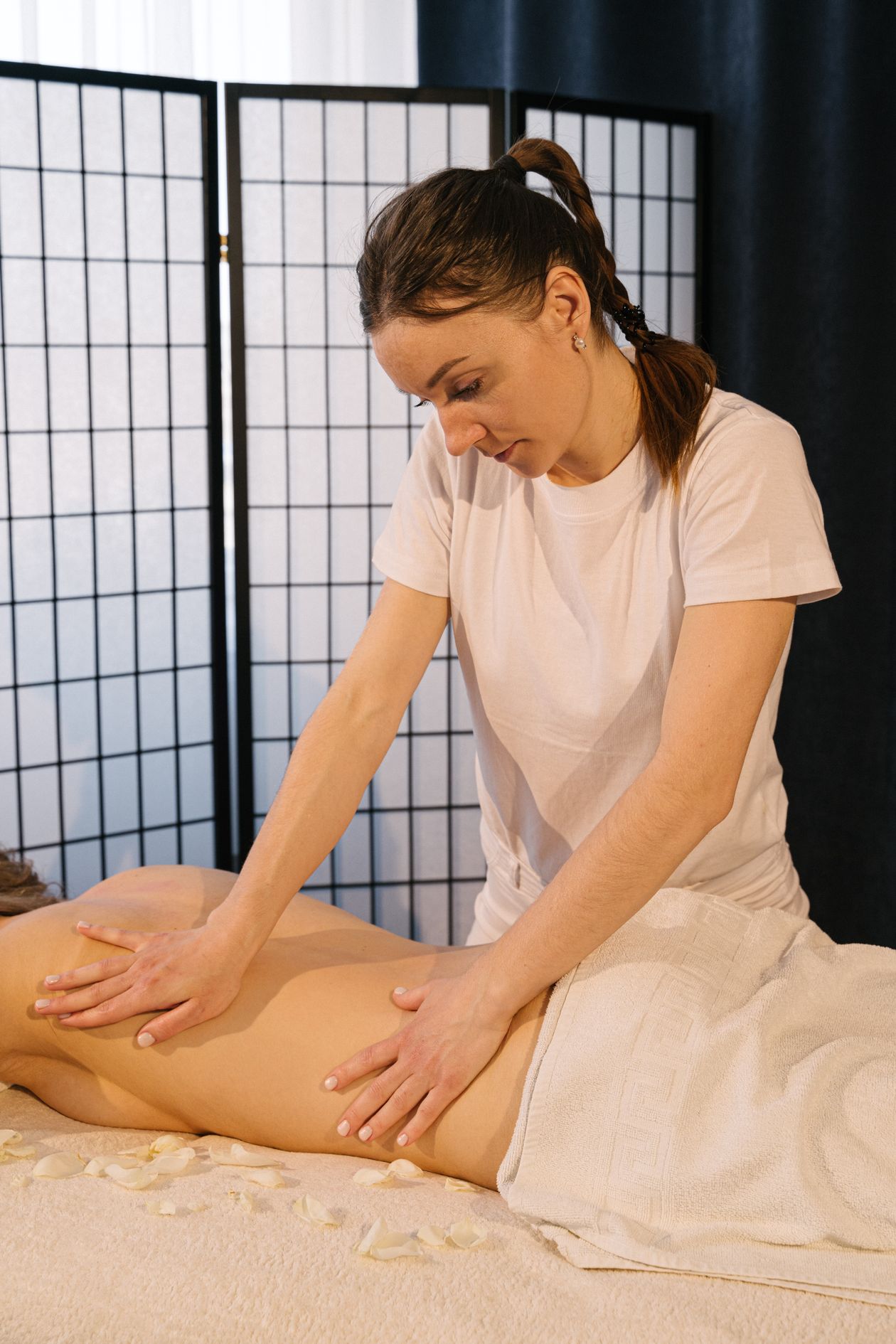
Photos in this guide are representative stock images.
← All guides from HandsInMotion Massage Therapy← Back to HandsInMotion Massage Therapy